
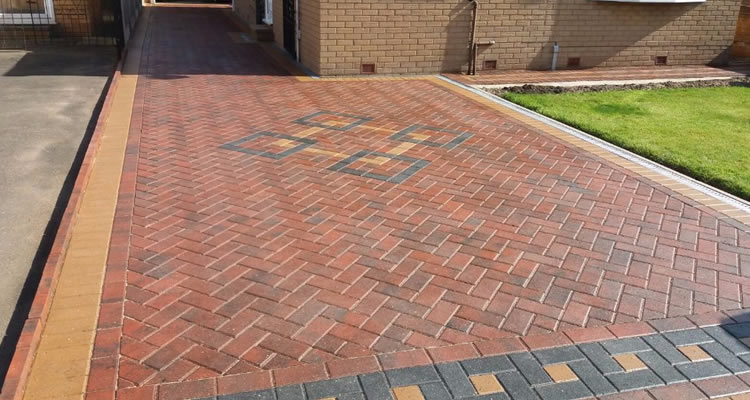
The process of sealing block paving before sanding is a topic that warrants careful consideration. By applying a sealant to the surface, one can enhance the durability and longevity of the paved area.
This article aims to explore the purpose and benefits of sealing block paving prior to sanding, as well as provide guidance on how to effectively carry out this task.
Additionally, tips for sanding block paving after sealing will be offered to ensure optimal results.
Understanding the Purpose of Sealing Block Paving
The purpose of sealing block paving is to enhance its durability and resistance to weathering. Regular maintenance is important for maintaining the longevity and appearance of block paving.
By applying a sealant, the surface becomes more resistant to oil stains, water damage, and weed growth.
It also helps to prevent colour fading caused by exposure to sunlight.
However, it is crucial to avoid common mistakes when sealing block paving. One common mistake is applying an excessive amount of sealant, which can lead to a sticky residue or uneven coverage.
Another mistake is not cleaning the surface properly before sealing, as this can result in poor adhesion and reduced effectiveness of the sealant.
Additionally, it is important to choose the right type of sealant for specific types of block paving materials to ensure optimal results.
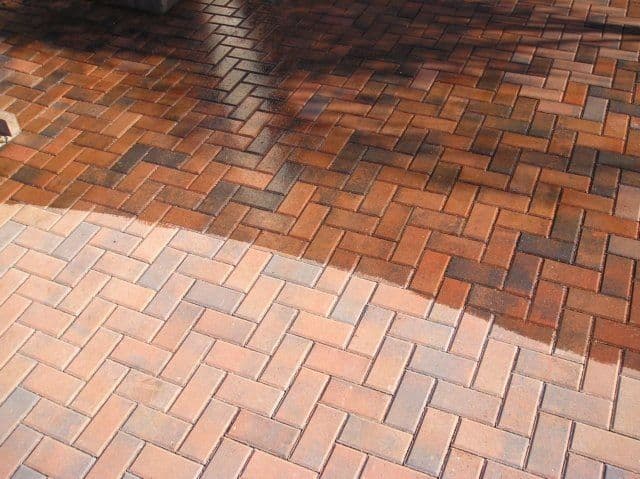
Benefits of Sealing Block Paving Before Sanding
One potential advantage of applying a sealant to block paving prior to sanding is that it can enhance the longevity and durability of the surface. Sealing block paving before sanding offers several benefits.
Firstly, it acts as a protective layer, preventing water penetration and reducing the risk of damage caused by freeze-thaw cycles. This helps to prevent cracking and crumbling of the paving material over time.
Secondly, sealing can also inhibit weed growth by creating a barrier that prevents seeds from germinating and taking root in the joints between blocks.
Additionally, sealants can enhance the colour and appearance of block paving, giving it a more vibrant and polished look.
There are various techniques for applying sealants, including spraying or brushing them onto the surface. Regardless of the technique used, proper application ensures maximum effectiveness in improving the performance and aesthetics of block paving surfaces. Benefits And Advantages Of Block Paving
How to Properly Seal Block Paving?
Applying a sealant to block paving surfaces requires careful consideration of the specific techniques and materials needed for effective and long-lasting results. Properly sealing block paving can significantly enhance its durability, appearance, and resistance to weathering. To ensure successful sealing, it is important to avoid common mistakes that may compromise the effectiveness of the process.
Here are some maintenance techniques and potential pitfalls to be aware of:
- Thorough cleaning: Before applying a sealant, it is crucial to clean the block paving thoroughly by removing any dirt, debris, or stains.
- Proper application: The sealant should be applied evenly using a suitable applicator or sprayer to ensure complete coverage.
- Adequate drying time: Allowing sufficient drying time for the sealant is essential for optimal performance.
- Regular resealing: Block paving should be regularly resealed according to manufacturer recommendations or as needed.
Tips for Sanding Block Paving After Sealing
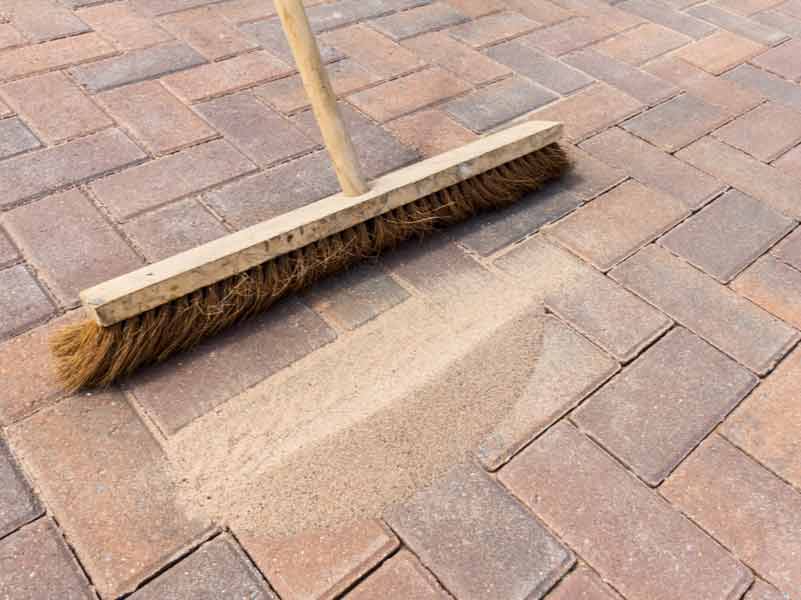
A crucial step in the maintenance of block paving surfaces after sealing is to sand them properly. This process ensures that the blocks are securely held together and helps prevent weed growth, moss, and algae from forming between the joints.
However, there are common mistakes that people often make when sanding block paving. These include using incorrect sand types or failing to apply enough sand to fill the joints adequately.
To ensure a successful sanding process, it is important to choose the right type of sand for block paving. The most suitable option is kiln-dried jointing sand, which has been specially processed to remove moisture and impurities. This type of sand provides better stability and prevents shrinkage over time.
In summary, proper sanding is essential for maintaining block paving surfaces. By avoiding common mistakes and selecting the appropriate type of sand, you can ensure a durable and attractive finish for your paved area.
| Common Mistakes in Sanding Block Paving | Choosing the Right Sand for Block Paving Sanding |
|---|---|
| Using incorrect sand types | Opt for kiln-dried jointing sand |
| Insufficient application of sand | Ensure proper filling of joints |
| Neglecting regular maintenance | Maintain cleanliness and reapply as needed |
Final Thoughts
In conclusion, it is imperative to seal block paving before sanding in order to achieve optimal results.
Sealing not only enhances the overall appearance of the paving but also provides protection against weather elements and stains.
By preventing water penetration, sealing prolongs the lifespan of the block paving and reduces the need for frequent maintenance.
When it comes to sanding, proper techniques should be followed to ensure a smooth and even finish.
So remember, seal your block paving before sanding and enjoy a long-lasting, impeccable surface!
Call us to get a price quote on a block paving. Contact us today on 07595 510190 to receive a free quote or visit our website.
Mastering Block Paving Repair Techniques
Are you looking to enhance your outdoor space with a stunning and durable surface? Block paving might be the solution you’ve been seeking. With its

Transform Your Space: DIY Block Paving Installation Guide
Are you tired of the same old driveway, patio, or pathway in your outdoor space? Looking for a cost-effective way to enhance the durability and

Is Block Paving Better Than Slabs?
When it comes to creating a stunning pavement or hard-standing for your outdoor space, the choice between block paving and slabs can be a puzzling

Block paving is an attractive and long-lasting option for driveways. It can add a sense of sophistication to any home, Read more

Are you considering block paving for your driveway? Discover why using a wacker plate during the installation process can make Read more