

Are you considering block paving for your driveway? Discover why using a wacker plate during the installation process can make all the difference. When laying block paving, it is crucial to ensure the sub-base is properly compacted to create a level and durable foundation. This is where a wacker plate comes in handy.
Key Takeaways:
- Compacting the sub-base is essential for a successful block paving driveway installation.
- A wacker plate is a commonly used compactor for achieving a level and durable foundation.
- Alternative methods, such as hand-tampers, rolling tampers, and mechanical rammers, can be used depending on the size and specific requirements of the project.
- Inadequate compaction of the sub-base can lead to issues like subsidence, poor drainage, and shifting or damaged pavers.
- Safety precautions and the use of protective equipment are vital when using a wacker plate or alternative compactors.
Alternatives to Using a Wacker Plate
If you’re not keen on using a wacker plate, there are alternative compaction methods available for your block paving driveway. One option is to use a hand-tamper, which consists of a metal plate attached to a long handle. This is a cheaper alternative but can be labor-intensive for larger projects. Another option is a rolling tamper, which uses a barrel filled with water or sand and rolled across the surface. Mechanical rammers, also known as jumping jacks, can be used for narrow areas or deeper levels of soil or aggregate.
Using a hand-tamper is a traditional method that allows for precise control. The process involves applying force to the sub-base by repeatedly striking it with the tamper. This ensures even compaction and eliminates any voids in the sub-base. However, it requires physical effort and can be time-consuming for larger projects.
A rolling tamper, on the other hand, offers a quicker method of compaction. By using the weight of the barrel filled with water or sand, it evenly distributes pressure across the surface. This minimizes the effort required and speeds up the compaction process. Rolling tampers are particularly useful for smaller areas or tight spaces where a wacker plate may not fit.
Mechanical rammers, or jumping jacks, are compact machines that provide powerful compaction. They are ideal for narrow areas or deeper levels of soil or aggregate. By using a vibrating mechanism, they effectively compact the sub-base. Mechanical rammers are commonly used in professional construction projects and offer efficiency and precision.
| Compaction Method | Pros | Cons |
| Wacker Plate | Efficient and suitable for large areas | May be expensive to hire or purchase |
| Hand-tamper | Cost-effective and offers precise control | Labor-intensive and time-consuming for larger projects |
| Rolling Tamper | Quick and effective for smaller areas or tight spaces | Requires filling the barrel with water or sand |
| Mechanical Rammers | Powerful and efficient for narrow areas or deep levels | May require professional expertise to operate |
The Importance of Compacting the Sub-Base
Properly compacting the sub-base of your block paving driveway is crucial to ensuring its long-term stability and functionality. Subsidence, poor drainage, and shifting or damaged pavers are common issues that can arise if the sub-base is not adequately compacted.
When it comes to compacting the sub-base, there are a few options available. One option is to use a wacker plate, also known as a plate compactor. This machine vibrates and applies pressure to the sub-base, creating a solid and level foundation for the block paving. Using a wacker plate is often the preferred method for larger projects as it provides efficient and consistent compaction.
However, there are alternative compactors that can be used depending on the size and specific requirements of the project. A hand-tamper, for example, is a cheaper alternative but can be labor-intensive for larger areas.
It consists of a metal plate attached to a long handle, which is manually pressed down to compact the sub-base. Another option is a rolling tamper, which uses a barrel filled with water or sand that is rolled across the surface to achieve compaction.
Mechanical rammers, also known as jumping jacks, are suitable for narrow areas or deeper levels of soil or aggregate.
It is essential to choose the right compactor and ensure the sub-base is properly compacted to avoid potential issues.
Subsidence, caused by inadequate compaction, can lead to sinking areas in the driveway, compromising its overall stability.
Poor drainage can result in standing water, making the surface slippery and potentially damaging the paving.
Shifting or damaged pavers can occur if the sub-base is not solid enough to support the weight and movement of vehicles or foot traffic.

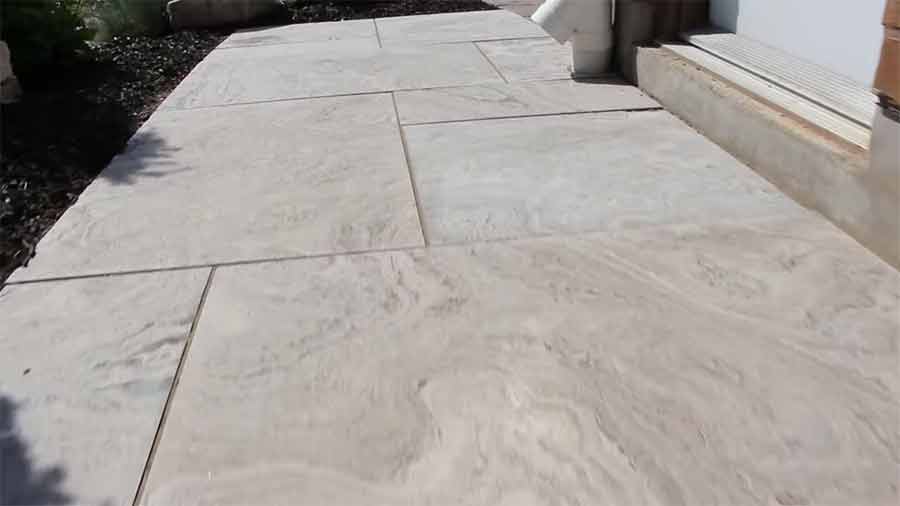
By understanding the importance of compacting the sub-base and choosing the appropriate compactor, you can ensure a solid foundation for your block paving driveway. This will not only enhance its longevity but also provide a level and durable surface for years to come.
| Pros of Using a Wacker Plate | Cons of Using a Wacker Plate |
| Efficient and consistent compaction | Costly for smaller projects |
| Time-saving for larger areas | Requires proper training and expertise |
| Creates a solid and level foundation | May cause vibrations in surrounding structures |
When to Use a Wacker Plate vs. Alternative Compactors
Choosing between a wacker plate and alternative compactors depends on the size and specific needs of your block paving driveway project. When it comes to compacting the sub-base, a wacker plate is a popular choice due to its efficiency and effectiveness in creating a level and durable foundation. However, there are alternative methods available for smaller projects or those with specific requirements.
One alternative to using a wacker plate is a hand-tamper. This tool consists of a metal plate attached to a long handle, which is manually pressed onto the sub-base to achieve compaction. Hand-tampers can be a cost-effective option, but they can be labor-intensive and time-consuming, especially for larger projects.
Another option is a rolling tamper. This compacting tool utilizes a barrel filled with water or sand, which is rolled across the surface to provide compaction. Rolling tampers are suitable for smaller areas and can be more efficient than hand-tampers. However, they may not be as effective for larger projects with a greater surface area to cover.
For narrow areas or deeper levels of soil or aggregate, mechanical rammers, also known as jumping jacks, can be a suitable alternative to wacker plates. These compactors operate with a jumping motion to achieve compaction in tight spaces. Mechanical rammers are ideal for projects with specific requirements, such as limited access areas or the need for deeper compaction.
Table: Comparison of Compactors for Block Paving Driveways
| Compactor | Advantages | Disadvantages |
| Wacker Plate | Efficient, effective compaction | May not be suitable for small or specific projects |
| Hand-Tamper | Cost-effective | Labor-intensive, time-consuming for larger projects |
| Rolling Tamper | Efficient for smaller areas | Less effective for larger projects |
| Mechanical Rammers | Suitable for narrow areas, deeper levels of compaction | May not be ideal for large surface areas |
Ultimately, the choice between a wacker plate and alternative compactors depends on the size of your project and its specific requirements. Consider the surface area to be compacted, accessibility, and the level of compaction needed. Consulting with professionals or block paving specialists can provide valuable insights and recommendations based on your project’s unique needs.
Tips for Using a Wacker Plate Safely
Before you start using a wacker plate on your block paving driveway, it is crucial to follow these safety tips to protect yourself and achieve optimal results.
- Wear protective equipment: Safety should always be a top priority when operating heavy machinery like a wacker plate. Make sure to wear sturdy work boots, safety goggles, a high-visibility vest, and ear protection to guard against flying debris and excessive noise.
- Prepare the work area: Before starting, clear the area of any obstacles or debris that could interfere with the compaction process. This will help ensure a smooth and even surface for your block paving.
- Check the wacker plate: Inspect the wacker plate for any signs of damage or malfunction before each use. Ensure that the engine is in good working condition and that all safety features, such as the emergency stop switch, are functioning properly.
- Operate with caution: When using the wacker plate, maintain a firm grip on the handles and keep both feet firmly planted on the ground. Avoid overexerting yourself by allowing the weight of the machine to do the work. Move in straight lines, overlapping each pass slightly to achieve consistent compaction.
- Take breaks: Compacting a block paving driveway can be physically demanding. Remember to take regular breaks to rest and hydrate. This will help prevent fatigue and ensure that you can operate the wacker plate safely and effectively.
By following these safety tips, you can use a wacker plate confidently and efficiently, creating a solid and durable foundation for your block paving driveway.
| Safety Tip | Importance |
| Wear protective equipment | To prevent injuries and ensure personal safety |
| Prepare the work area | To create a clear and safe space for compaction |
| Check the wacker plate | To ensure proper functioning and prevent accidents |
| Operate with caution | To maintain control and prevent injuries |
| Take breaks | To prevent fatigue and maintain focus |
Hiring Professional Driveway Contractors
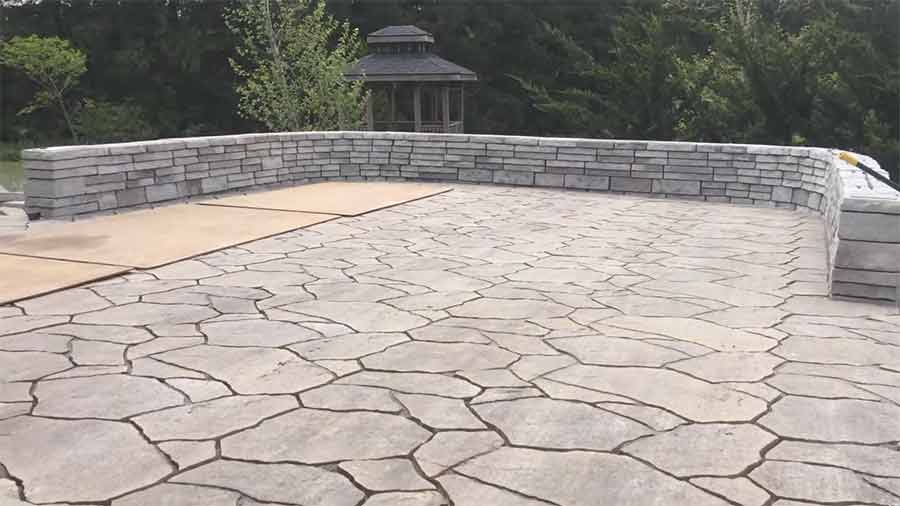

When it comes to installing a block paving driveway, it’s wise to enlist the expertise of professional driveway contractors who specialize in block paving.
These experienced professionals have the knowledge and skills to ensure a high-quality and long-lasting installation.
They understand the intricacies of working with block paving materials and can provide valuable guidance throughout the process.
Hiring professional driveway contractors not only saves you time and effort but also guarantees a visually appealing and durable driveway for years to come.
Driveway contractors who specialize in block paving have the necessary tools and equipment to tackle any project, regardless of its size or complexity.
They are familiar with the best practices for preparing the sub-base, ensuring proper compaction and drainage.
By entrusting your block paving driveway installation to these experts, you can have peace of mind knowing that every aspect of the job will be handled meticulously.
Another benefit of hiring professional driveway contractors is their ability to offer design suggestions and customize your driveway to suit your preferences. They can guide you in selecting the right block paving materials, colors, and patterns to create a visually stunning and unique driveway that enhances the curb appeal of your property. With their expertise, you can transform your outdoor space into a welcoming and aesthetically pleasing area.
Table: Benefits of Hiring Professional Driveway Contractors
| Benefits | Explanation |
| Expertise | Professional driveway contractors specialize in block paving and have the necessary knowledge and skills for a successful installation. |
| Efficiency | Experienced contractors work efficiently, completing the project in a timely manner. |
| Quality | By hiring professionals, you can expect a high-quality and durable block paving driveway. |
| Customization | Driveway contractors can offer design suggestions and customize your driveway to suit your preferences. |
| Curb Appeal | A professionally installed block paving driveway enhances the overall curb appeal of your property. |
In conclusion, when it comes to installing a block paving driveway, it is highly recommended to hire professional driveway contractors who specialize in block paving. These experts bring the necessary expertise, efficiency, and quality to ensure a successful installation. By enlisting their services, you can benefit from their design suggestions, customization options, and the overall enhancement of your property’s curb appeal. With their assistance, you can enjoy a beautiful and long-lasting block paving driveway that will stand the test of time.
Revitalise Your Block Paving Driveway
By using a wacker plate or alternative compaction methods, you can revitalize your block paving driveway and enjoy a beautiful, durable, and functional addition to your home. When laying block paving, it is common practice to use a wacker plate to compact the sub-base, creating a level and stable foundation. However, there are other options available to achieve the same result.
One alternative method is using a hand-tamper. This cost-effective option consists of a metal plate attached to a long handle. While it can be labor-intensive, it is suitable for smaller projects. Another option is a rolling tamper, which uses a barrel filled with water or sand and rolled across the surface to achieve compaction. Mechanical rammers, also known as jumping jacks, are ideal for narrow areas or deeper levels of soil or aggregate.
It is crucial to compact the sub-base properly to avoid issues such as subsidence, poor drainage, and shifting or damaged pavers. Whether you choose a wacker plate or an alternative compactor depends on the size and specific requirements of your project. Consider the cost, labor, and efficiency factors when making your decision.
By taking the time to compact your block paving driveway properly, you can ensure its longevity and functionality. Don’t underestimate the benefits of a well-designed and well-installed driveway. Consider consulting with professional block paving specialists who have the expertise to create a visually appealing and durable block paving design that complements your home’s aesthetics.
Call us to get a price quote on a block paving. Contact us today on 07595 510190 to receive a free quote or visit our website.

Block paving is an attractive and long-lasting option for driveways. It can add a sense of sophistication to any home, Read more
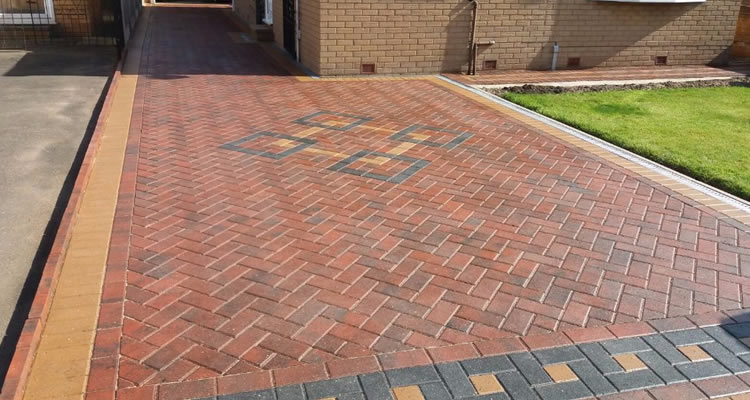
Do You Seal Block Paving Before Sanding? The process of sealing block paving before sanding is a topic that warrants Read more