

When it comes to creating a stunning pavement or hard-standing for your outdoor space, the choice between block paving and slabs can be a puzzling one. Both options have their merits, but which one truly reigns supreme? Are you ready to delve into the world of paving materials and discover if block paving is indeed better than slabs?
Let’s explore the advantages that block paving brings to the table. From its unbeatable durability to its striking aesthetics, block paving has become a popular choice for driveways, patios, and walkways.
Not to mention, its low maintenance requirements make it an attractive option for homeowners.
But does it truly outshine slabs?
To find out, join us as we compare the two contenders, exploring their versatility, durability, price, and ease of installation.
Will block paving emerge as the ultimate winner, or will the sturdy slabs take the crown?
Stay tuned to uncover the advantages of block paving and find out if it truly outperforms slabs in every aspect.
Prepare to be amazed by the possibilities that lie within this versatile paving solution.
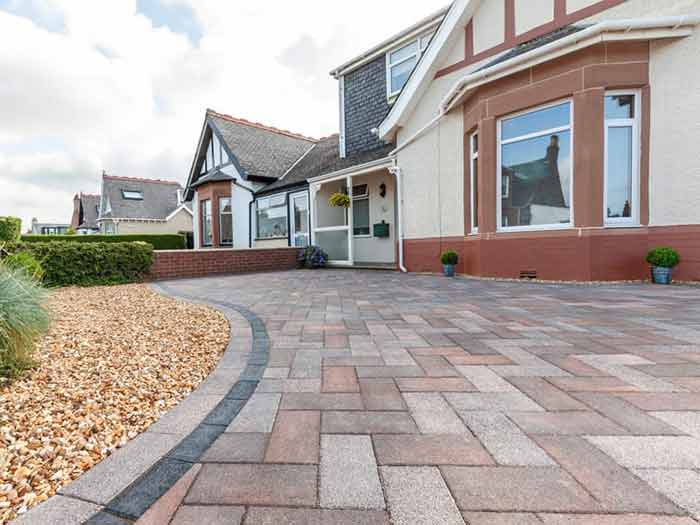
Benefits of Block Paving
Block paving offers numerous benefits as a surface solution for driveways, patios, and walkways. Its versatility and aesthetic appeal make it a popular choice among homeowners. Here are some key advantages of block paving:
- Enhanced Value: Installing block paving can significantly increase the value of your property. Its clean and attractive appearance creates a positive first impression, thus boosting curb appeal.
- Aesthetics: Block paving comes in a wide range of colours, shapes, and patterns, allowing for endless design possibilities. This flexibility allows you to create unique and visually appealing surfaces that complement your home’s architecture and landscape.
- Strength and Durability: Block paving is renowned for its strength and durability. The interlocking nature of the blocks provides added stability, making it suitable for high-traffic areas such as driveways.
- Drainage: Proper drainage is crucial for outdoor surfaces to prevent water buildup. Block paving allows for efficient water drainage as the gaps between the blocks facilitate water percolation, reducing the risk of surface flooding.
- Low Maintenance: Block paving requires minimal maintenance compared to other paving options. Regular sweeping and occasional power washing are usually sufficient to keep it looking clean and fresh. In case of damage or staining, individual blocks can be easily replaced without affecting the overall surface.
These benefits highlight why block paving is a popular choice for homeowners seeking a durable, aesthetically pleasing, and long-lasting solution for their outdoor spaces. Now, let’s compare block paving with slabs to gain a better understanding of the two options.
Block Paving vs Slabs: A Comparison
When considering options for your driveway or patio, it’s essential to compare block paving and slabs to make an informed decision. Both block paving and slabs have their own unique characteristics and advantages. Let’s take a closer look at the key factors:
Versatility:
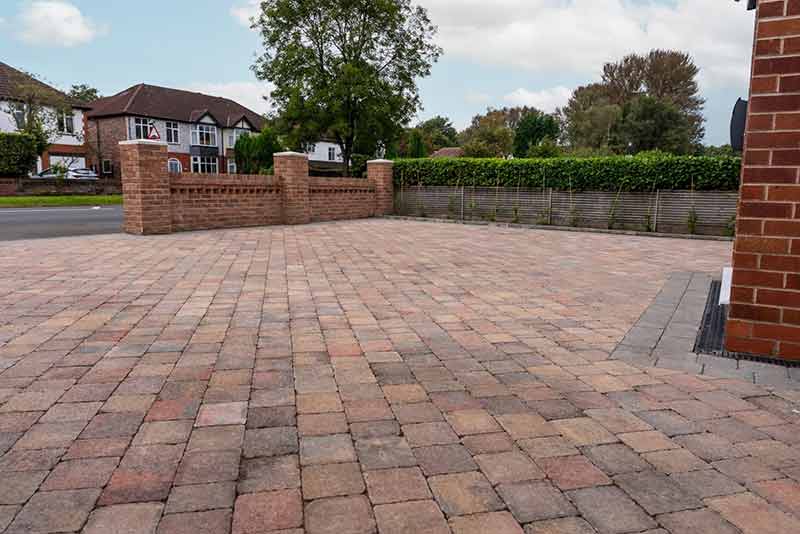
Block paving offers a wide range of design possibilities due to its individual block format. You can create intricate patterns, mixes of colours or even incorporate curves. On the other hand, slabs are more limited in terms of design options, typically providing a more uniform appearance.
Durability:
When it comes to durability, both block paving and slabs are robust options. Block paving excels in distributing weight and accommodating movements, making it more resistant to cracking or shifting. Slabs, however, may be prone to cracking under excessive loads or ground movement.
Price:
In terms of price, block paving tends to be slightly more expensive than slabs. This is because the installation process for block paving is more labor-intensive and time-consuming. However, the longevity and aesthetic appeal of block paving often make it worth the investment in the long run.
Installation:
The installation process for block paving involves laying each individual block in a specific pattern and then securing them with sand or mortar. This meticulous process requires skilled professionals. Slab installation is relatively simpler, involving laying the slabs on a firm, leveled base. It’s important to note that both block paving and slab installation should be carried out by experienced contractors for optimal results.
In conclusion, when comparing block paving and slabs, you have to consider factors such as versatility, durability, price, and installation. While block paving offers more design options and better durability, it comes at a slightly higher price and requires a more intricate installation process.
Slabs, on the other hand, offer a simpler installation and a more affordable option but may lack the versatility and long-term durability of block paving. Ultimately, the choice between block paving and slabs depends on your specific requirements, budget, and aesthetic preferences.
Call us to get a price quote on a block paving. Contact us today on 07595 510190 to receive a free quote or visit our website.
Source Links
- https://www.marshalls.co.uk/gardens-and
-driveways/blog/block-paving-vs-tarmac - https://www.simplypaving.com/advice-centre
/articles/what-is-the-best-paving-for-driveways/ - https://www.jldriveways.co.uk/all-about-block-paving/

In the realm of block paving, the presence of a soakaway is a matter of significant consideration. Like an invisible Read more

Keeping your block paving free from weeds is essential for maintaining a pristine and inviting outdoor space. We all want our driveways Read more
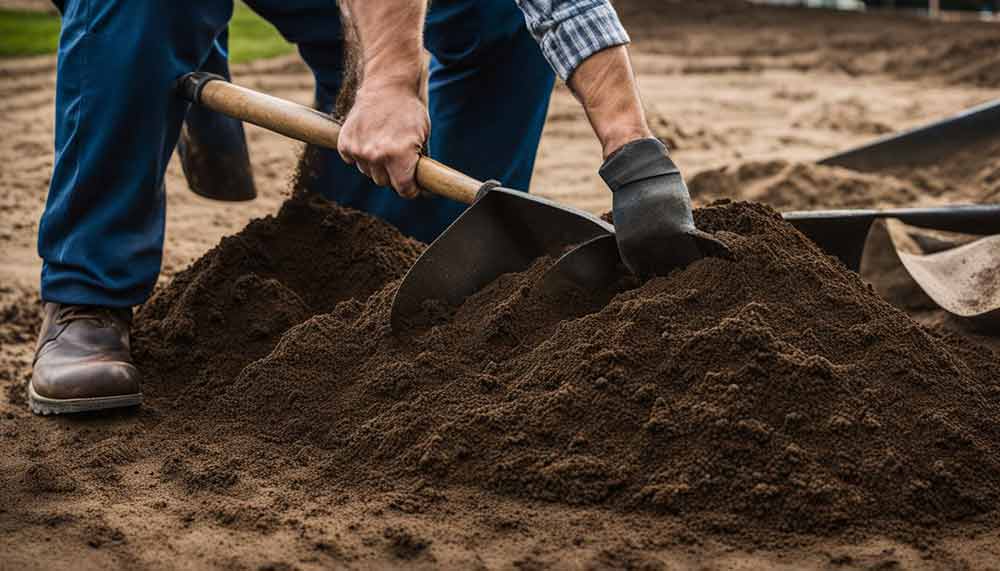
Block paving is a popular and durable choice for driveways and patios. However, proper ground preparation is crucial to ensure a long-lasting and Read more