
In the realm of block paving, the presence of a soakaway is a matter of significant consideration. Like an invisible guardian, a properly designed and implemented soakaway offers a vital role in managing surface water runoff from paved areas.
This article aims to explore the purpose, factors to consider, benefits, and alternative drainage options associated with incorporating a soakaway system for block paving. By delving into this technical subject matter, readers will gain valuable insights into the necessity and efficiency of employing such drainage solutions in their block paving projects.
Understanding the Purpose of a Soakaway
The purpose of a soakaway is to effectively drain excess water from the surface of block paving. Soakaways are commonly used in areas where there is limited access to proper drainage systems. They provide an efficient solution for managing rainwater runoff and preventing pooling or flooding on paved surfaces.
One advantage of using a soakaway for block paving is its cost-effectiveness, as it eliminates the need for complex underground drainage systems.
Additionally, soakaways help promote sustainable water management by allowing rainwater to naturally infiltrate into the ground instead of being wasted or causing damage to surrounding areas.
However, there are also some disadvantages to consider. If not properly maintained, soakaways can become clogged with debris or sediment over time, leading to reduced effectiveness and potential blockages.
To maintain a soakaway system for block paving, regular inspections and cleaning should be conducted to ensure its optimal functionality and prevent any potential issues from arising.
Factors to Consider When Deciding on a Soakaway
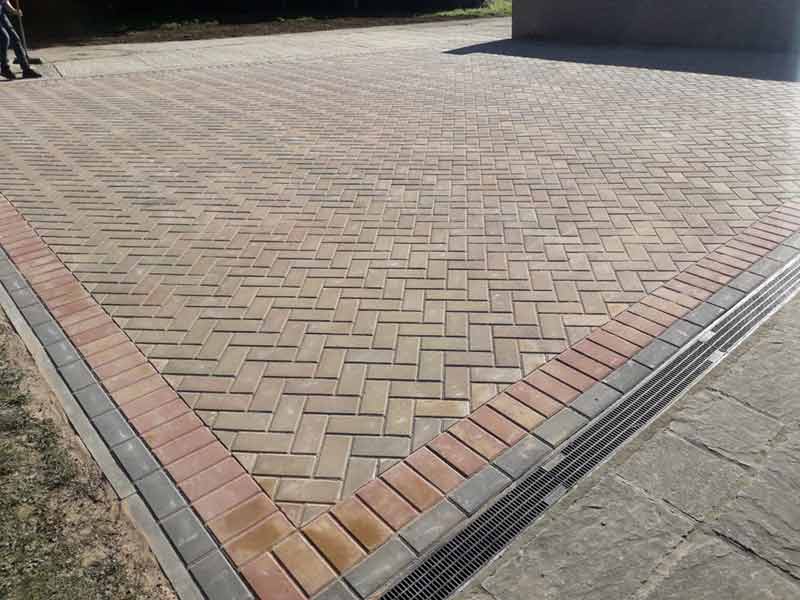
Important factors to consider when deciding on the installation of a soakaway include the site’s soil composition, rainfall patterns, and local water table levels. Each of these factors plays a crucial role in determining the effectiveness and efficiency of the soakaway system.
Soil Composition: The type and structure of the soil will determine its permeability and ability to absorb water. Soils with high clay content may have poor drainage capabilities compared to sandy or loamy soils.
Rainfall Patterns: The amount and frequency of rainfall in an area will impact the volume of water that needs to be managed by the soakaway system. Areas with heavy or frequent rainfall may require larger or more complex soakaways.
Local Water Table Levels: The proximity of the groundwater level to the surface is essential as it affects how well a soakaway can function. If the water table is too high, it may impede drainage and require additional measures such as raising the base of the soakaway.
Considering these factors during the installation process ensures that a suitable design is chosen, maximising its performance in managing surface water effectively. Do You Seal Block Paving Before Sanding?
The Benefits of Having a Soakaway for Block Paving
One advantage of incorporating a soakaway into the design of a block paved area is its ability to effectively manage surface water runoff. A soakaway is a structure that allows excess water from rainfall or irrigation to be absorbed into the ground, preventing waterlogging and reducing the risk of flooding.
By directing water away from the surface, a soakaway helps to maintain the integrity and longevity of block paving by preventing damage caused by excessive moisture. Additionally, having a soakaway in place reduces the need for costly drainage systems or complex infrastructure modifications.
In terms of maintenance, while regular inspection and cleaning may be required to ensure proper functioning, overall upkeep is relatively low compared to alternative methods such as traditional drainage systems.
Therefore, incorporating a soakaway into block paving designs offers significant benefits in terms of effective surface water management and reduced maintenance requirements.
Alternative Drainage Options for Block Paving

Another method for managing excess water in block paved areas is by utilising alternative drainage options. Permeable paving and French drains are two common alternatives that can effectively prevent water buildup and potential damage to the pavement.
Permeable paving, also known as porous or pervious paving, allows water to pass through the surface and infiltrate into the ground below.
This type of pavement is made up of materials with high porosity, such as permeable concrete or interlocking blocks with gaps between them. The water then seeps through these gaps and is naturally filtered by the soil.
French drains, on the other hand, are underground trenches filled with gravel or rock that redirect excess water away from block paved areas. These drains typically consist of a perforated pipe wrapped in geotextile fabric to prevent soil particles from clogging the pipe. The collected water is then directed towards a suitable outlet, such as a storm drain or an existing drainage system.
Finally
The presence of a soakaway for block paving is crucial in ensuring proper drainage and preventing water accumulation. The purpose of a soakaway is to effectively disperse excess water into the ground, reducing the risk of flooding and damage to the pavement.
Factors such as soil type, site conditions, and local regulations should be considered when determining whether a soakaway is necessary. While alternative drainage options exist, none are as efficient or cost-effective as a well-designed and properly installed soakaway system.
Therefore, it is imperative to incorporate this essential component into any block paving project for long-term durability and functionality.
An anachronism that can be used in this context could be ‘a square peg in a round hole.
Call us to get a price quote on a block paving. Contact us today on 07595 510190 to receive a free quote or visit our website.

Keeping your block paving free from weeds is essential for maintaining a pristine and inviting outdoor space. We all want our driveways Read more
Block paving is a popular and durable choice for driveways and patios. However, proper ground preparation is crucial to ensure a long-lasting and Read more

Welcome to Block Paving Bingham, your go-to source for all things related to block paving maintenance and care. In this article, we will explore Read more